Shopping for a used car in Jefferson County Idaho can feel complicated, but it does not have to. This Car Buying Guide for Jefferson ID walks you through the process step by step, from budgeting and financing to inspections, test drives, title transfer, and registration in Idaho. You will learn how to compare models that fit our local roads and weather, read vehicle history data with confidence, and spot value in a changing market. We also cover second chance options for rebuilding credit, insurance considerations, and how to navigate sales tax and fees. Want to understand how prices shift across nearby counties and seasons. You will find tips and links to helpful market research and financing pages throughout. Use this guide to plan your next move with clarity and avoid common pitfalls that cost you time and money.
This Jefferson ID focused guide centers on practical steps you can use today. It highlights Idaho specific paperwork, trustworthy inspection points, and smart negotiating. Explore linked resources for market research, financing paths, and policy details so you can compare options efficiently and feel confident at signing.
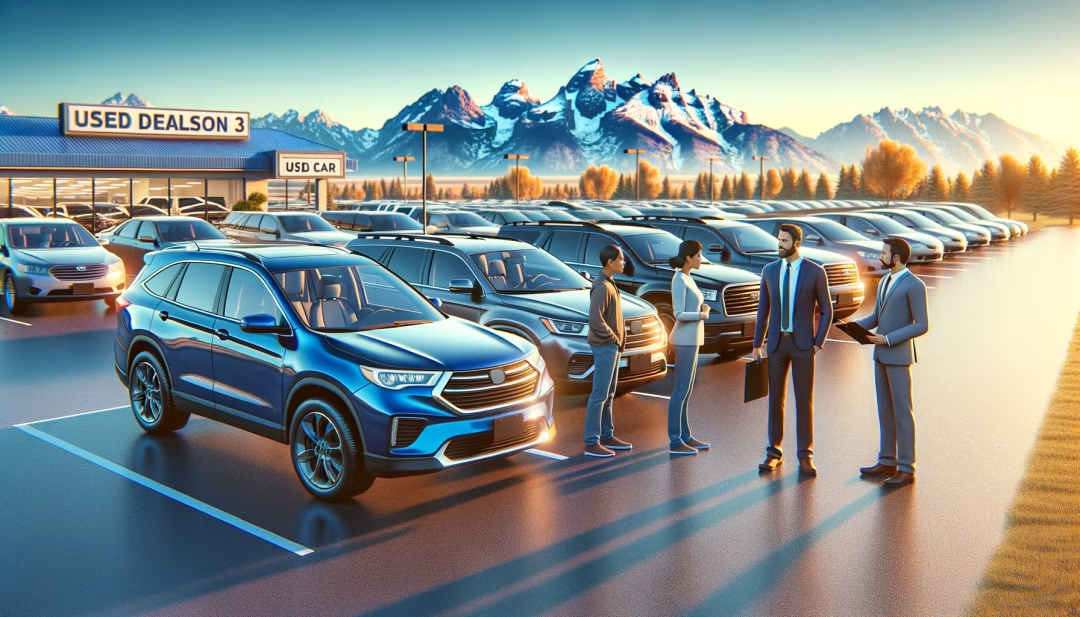
Start with a total monthly number that includes your loan payment, estimated insurance, fuel, and maintenance. In Jefferson County, many buyers commute or mix city and rural driving, so plan fuel and tire costs accordingly. Consider a slightly larger emergency buffer in winter months for snow tire replacement and potential battery or starter service.
Good financing turns a solid vehicle into a great ownership experience. Local buyers often compare bank, credit union, and dealer assisted financing. If credit is still building, second chance programs can help you move forward responsibly while establishing positive payment history.
Jefferson County drivers balance winter readiness with fuel economy. All wheel drive crossovers, half ton pickups, and reliable sedans can each fit different needs. Think about your daily routes, towing frequency, cargo needs, and parking space. A modern sedan with snow rated tires might perform as well as an SUV for many commuters, while families or outdoor enthusiasts may prefer the extra ground clearance and cargo flexibility of a crossover or truck.
Always review a vehicle history report and verify the VIN on the dash and door jamb match the title. Look for consistent mileage entries, service records, and accident details. Ask for maintenance receipts on timing belts, transmission fluid changes, and brake services. A trusted independent inspection can validate engine, transmission, suspension, and electrical health before you sign.
Plan a route that includes neighborhood speeds, a 55 mph stretch, and a quick stop and go sequence to evaluate brakes and downshifts. If possible, test on a mild grade to check power delivery. Listen for wind noise, suspension clunks, and wheel bearing hum. Cycle climate control to confirm strong heat for winter and cold air for summer. For 4x4 systems, engage high range on a safe surface to confirm smooth operation.
A clean, documented trade can improve your deal structure. Gather service receipts, spare keys, and title or payoff details. Small cosmetic touch ups and a thorough interior detail can help the appraisal. If you still owe on the vehicle, bring your lender information so payoff can be handled quickly.
In Idaho, you will need a properly assigned title, a bill of sale, valid ID, and proof of insurance to register. If the vehicle is financed, the lienholder will be recorded on the title. Sales tax is typically calculated on the purchase price minus any applicable trade credit. Confirm your county requirements for VIN inspection or emissions if applicable. Jefferson County does not currently require emissions testing, but nearby counties may have specific requirements that affect cross county buyers.
Request an insurance quote before finalizing your budget. Premiums can vary based on trim, safety tech, and driver profile. Consider extended service contracts if you want predictable costs beyond the factory warranty, especially on higher mileage vehicles. Gap coverage can protect you if the car is totaled while you still owe more than its actual cash value.
Truck and SUV demand can rise before winter as drivers plan for snow and outdoor trips, while compact cars may see stronger interest in spring or when fuel prices climb. Regional trade flows from nearby counties can also affect availability. Compare current pricing and days on lot using our research resources to understand timing and leverage.
For Jefferson County specific trends and cross county comparisons, explore Used Car Market Research Jefferson ID. You can also compare neighboring data at Used Car Market Research Bonneville ID and Car Buying Guide Madison ID.
Arrive with financing ranges, comparable listings, and a clear must have list. Focus on total out the door price and monthly payment only as a secondary check. Be transparent about your trade position and timeline. Ask for a copy of any inspection report and confirmation of items to be reconditioned before delivery.
Ready to compare vehicles that fit your budget and driving needs. Our current selection is available at Used Inventory, and recently sold examples can be reviewed at Sold Inventory to understand pricing and trims that move quickly. For ongoing shopping tips and ownership advice, visit the Blog.
Before purchase, review store policies and customer documents so your paperwork day is simple and accurate. If you have questions, our team is available to help clarify timelines, document needs, or financing steps.